clear

POPULAR CONTENT
HISTORY
|Clear All History
Engine Parts

Clear All History
December 19, 2025 · 1 min read
From the "unkillable" inline-six to the V8 that beat Ferrari—ranking the mechanical legends that defined American horsepower.
Ask any three Ford enthusiasts to name the "best" Ford engine, and you will get three different answers—and a shouting match. Is it the raw torque of a diesel? The high-rpm scream of a Coyote? Or the nostalgia of a Flathead?
This debate often ignores why these engines matter. A dyno sheet doesn't tell you how an engine saved the company in the 1980s or how it revolutionized hot rodding in the 1930s. Focusing solely on horsepower numbers misses the engineering breakthroughs that kept millions of drivers on the road for billions of miles.
We have ranked the top 10 Ford engines not just by speed, but by impact, durability, and legacy. These are the hearts of the machines that built America, won Le Mans, and power the modern world.
To make this list, an engine had to meet at least two of the following criteria:
Note: While electric motors are the future (like the Eluminator), this list focuses on Internal Combustion Engines (ICE) that have already cemented their legacy.
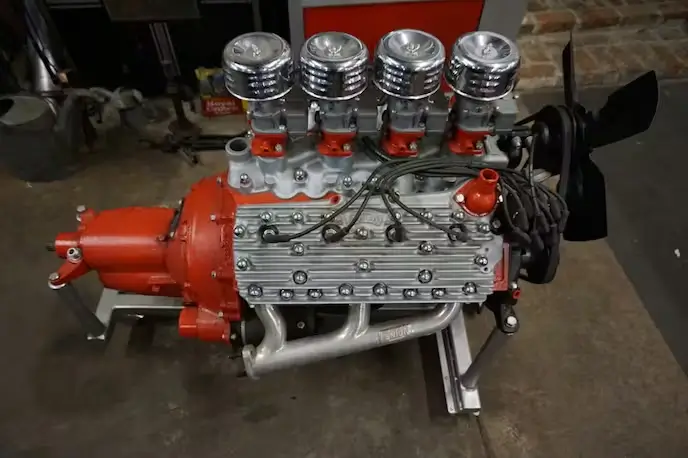
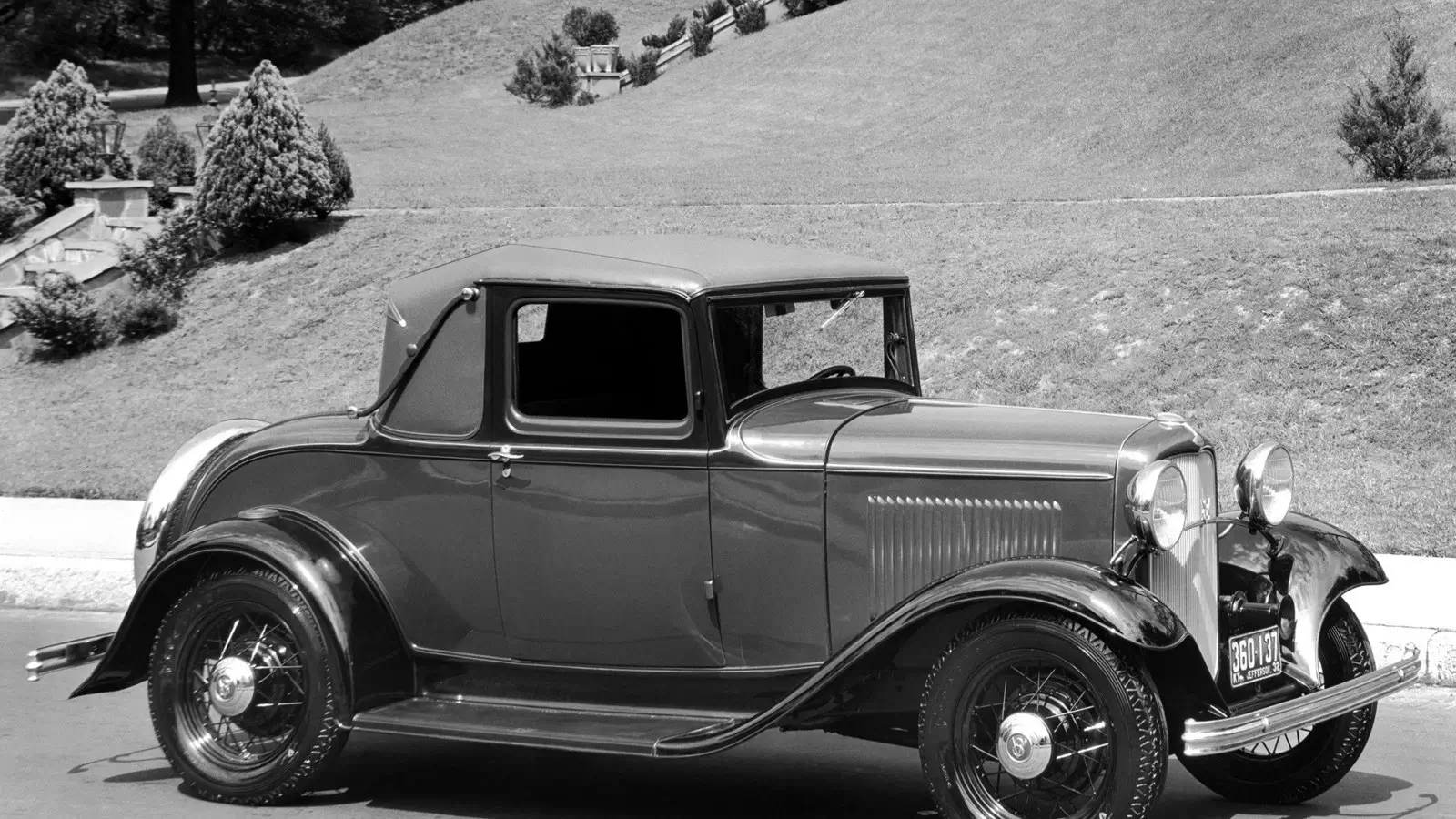
The first affordable mass-produced V8, 65 to 125 Horsepower (factory).
Before 1932, V8 engines were for the rich. Henry Ford changed the world by casting a V8 block in a single piece, bringing power to the people. It birthed the entire culture of hot rodding. Simple, affordable, and easily modified, it remains an icon of American automotive freedom. If you hear a "chug-chug-chug" at a car show, you are hearing the heartbeat of American car culture.
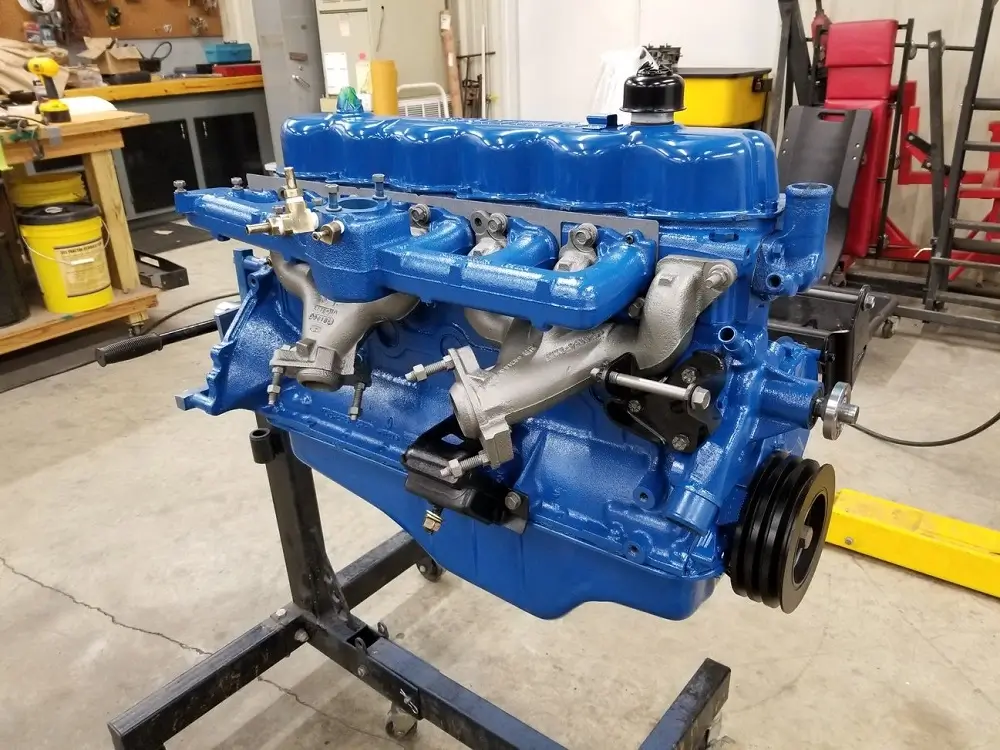
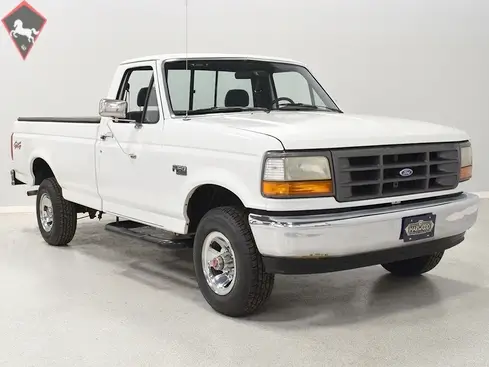
Unmatched durability. 260+ lb-ft of torque at idle (essentially).
Ask any old-school mechanic about the "Ford 300" (4.9L), and they will tell you it refuses to die. Arguably the most durable engine ever built. Used in F-Series trucks, UPS vans, and woodchippers, this gear-driven timing beast is famous for running 300,000 miles with zero maintenance. It wasn't fast, but it could pull a house down.
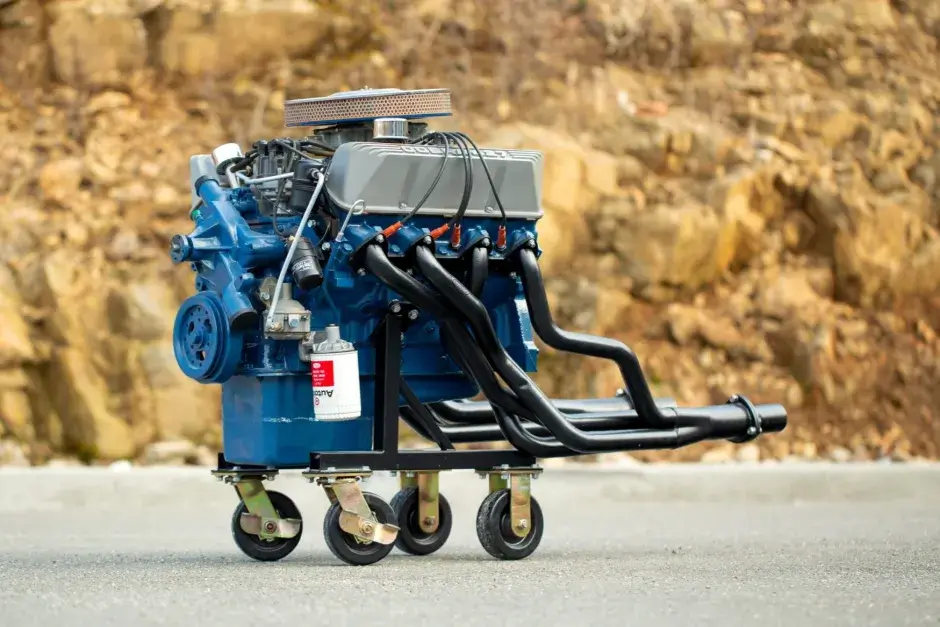
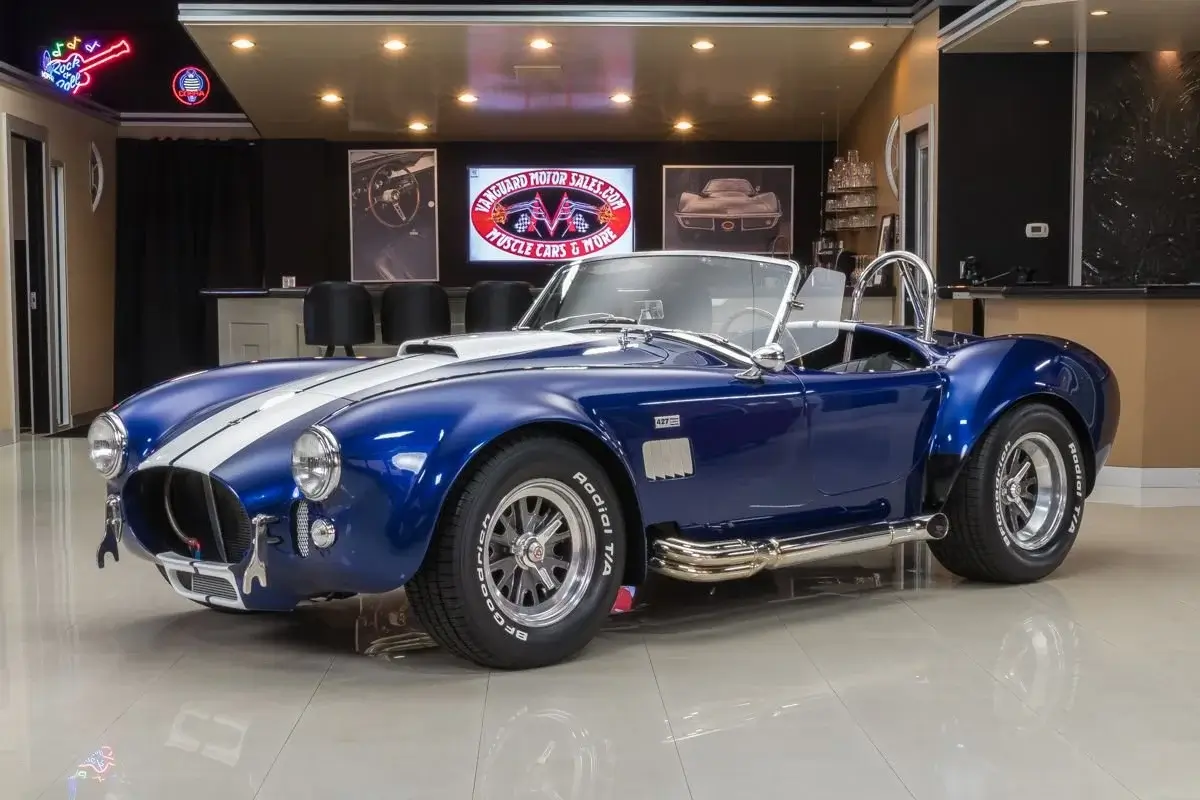
The engine that beat Ferrari. 425+ Horsepower (conservative rating).
This is the "Side-Oiler", famous for the Ford GT40's 1-2-3 finish at the 1966 24 Hours of Le Mans. It was a race engine first and a street engine second. If you own a genuine 427 FE today, you own a piece of motorsport royalty.
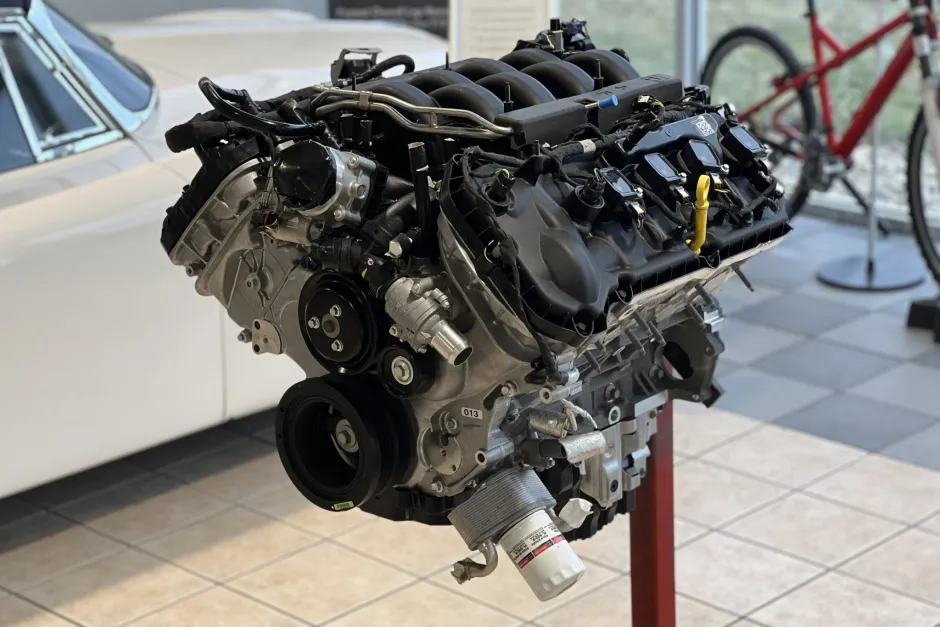
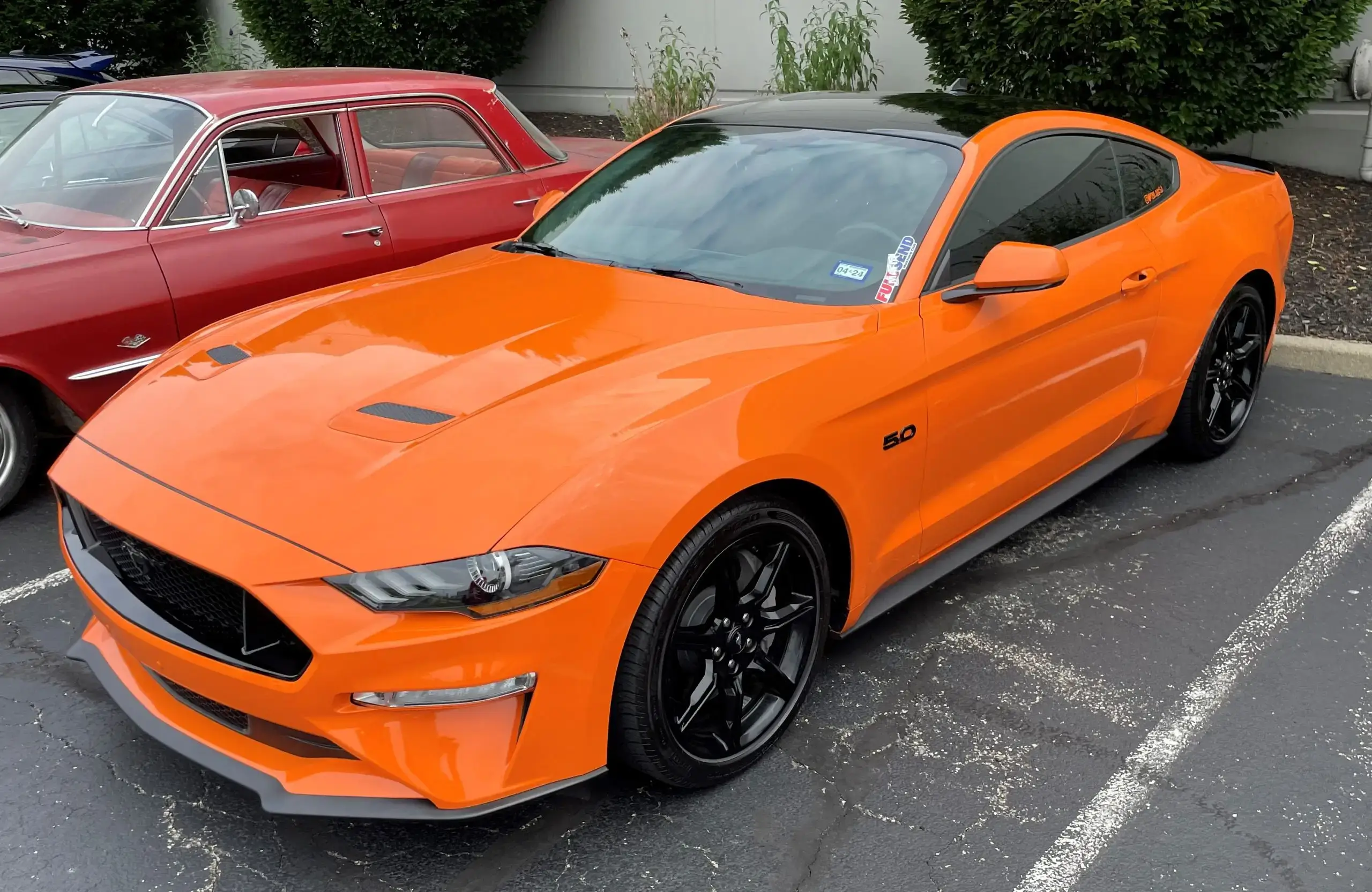
Bringing the Mustang into the 21st century. 412 to 500+ Horsepower
When the Mustang needed to compete with the BMW M3, The modern masterpiece. It combines the displacement of the old-school 5.0 with dual overhead cams and variable valve timing.
Ford dropped the pushrods and built this high-revving, DOHC technological marvel. It produces over 400 horsepower naturally aspirated and loves forced induction, revs to 7,500 RPM, and produces massive power reliably. It saved the V8 muscle car in an era of emissions regulations.
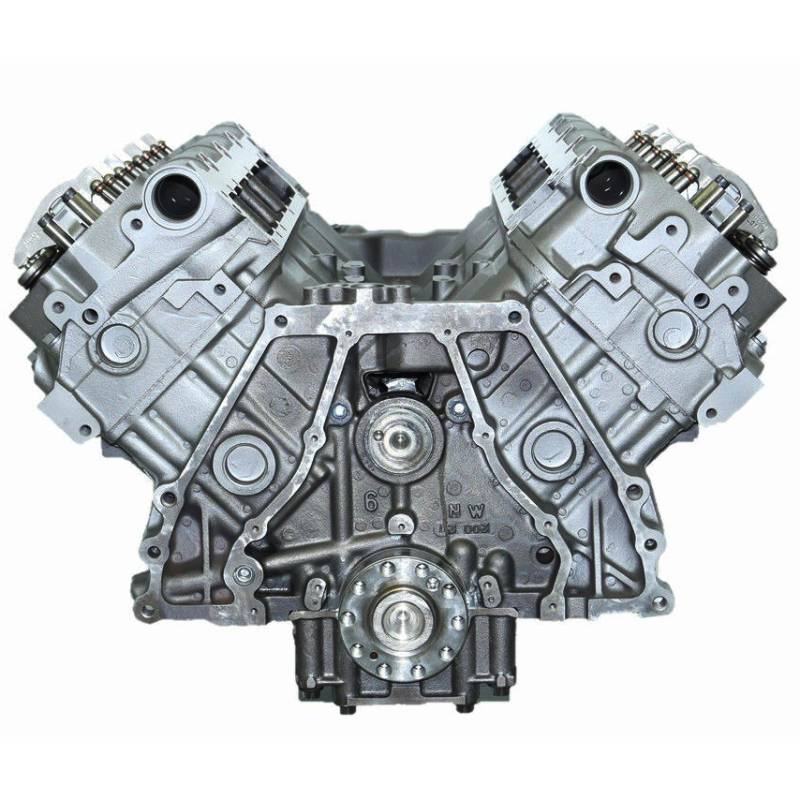
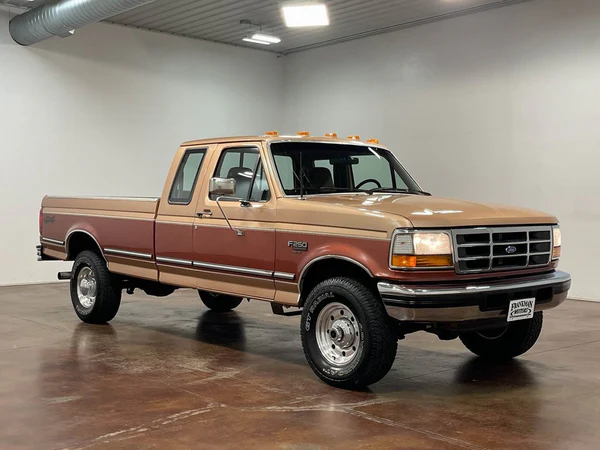
The "Million Mile" Motor. 500+ lb-ft of Torque.
Before emissions equipment choked diesel reliability, the Navistar-built 7.3L was the gold standard. this turbodiesel is widely considered the best diesel engine ever put in a pickup truck. It established the Ford Super Duty as the go-to truck for heavy work. It is loud, clunky, and slow by 2026 standards, but Super Duty trucks with this engine still command premium prices because they simply do not break.
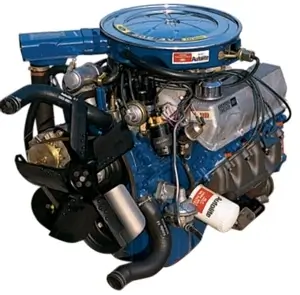
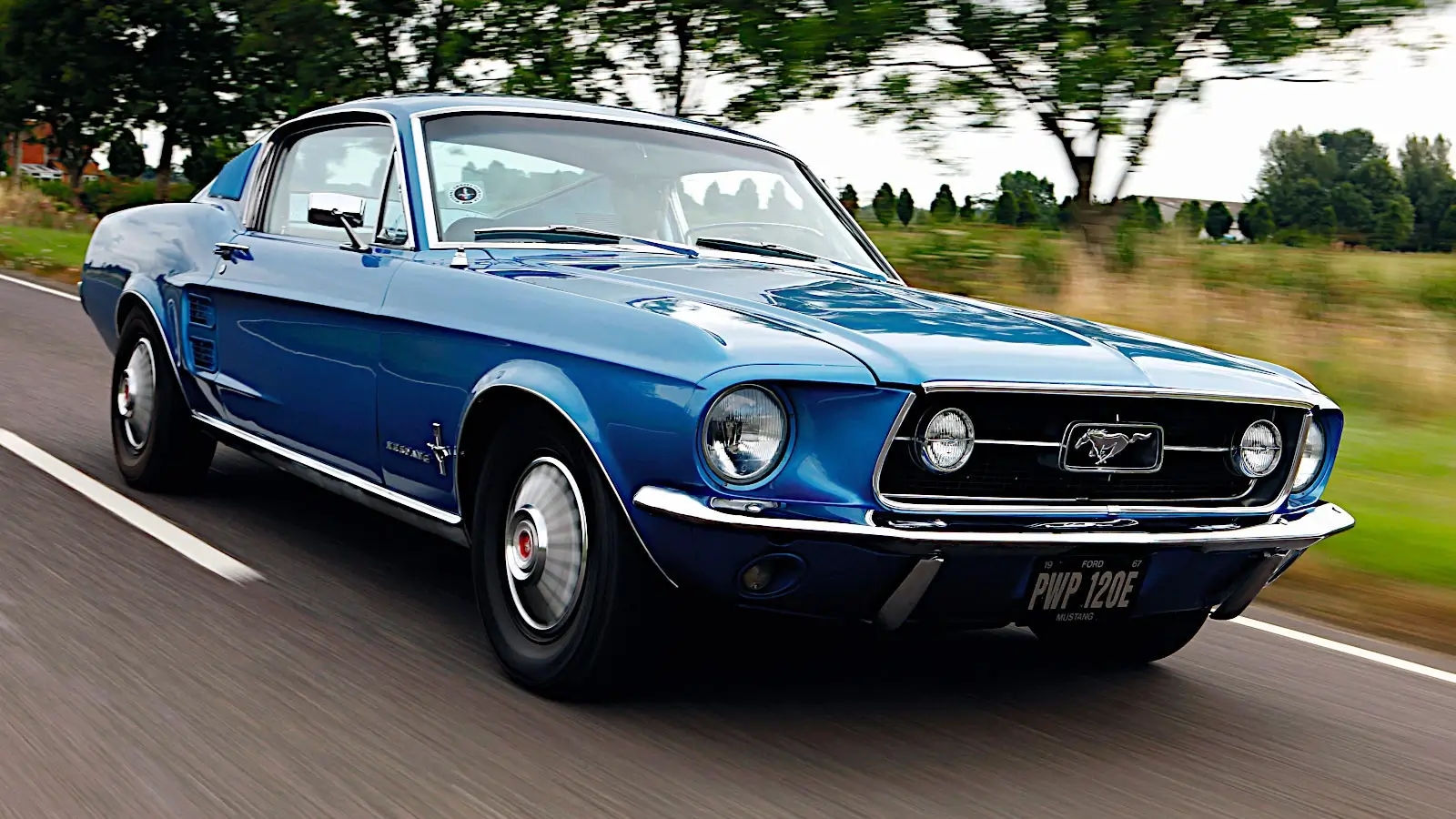
The engine that made the Mustang a hit. Lightweight and punchy.
The 289 Hi-Po ("K-Code") turned the Mustang from a "secretary's car" into a sports car. Its lightweight, thin-wall casting made it the perfect swap for the Shelby Cobra, proving that American V8s didn't have to be heavy boat anchors.
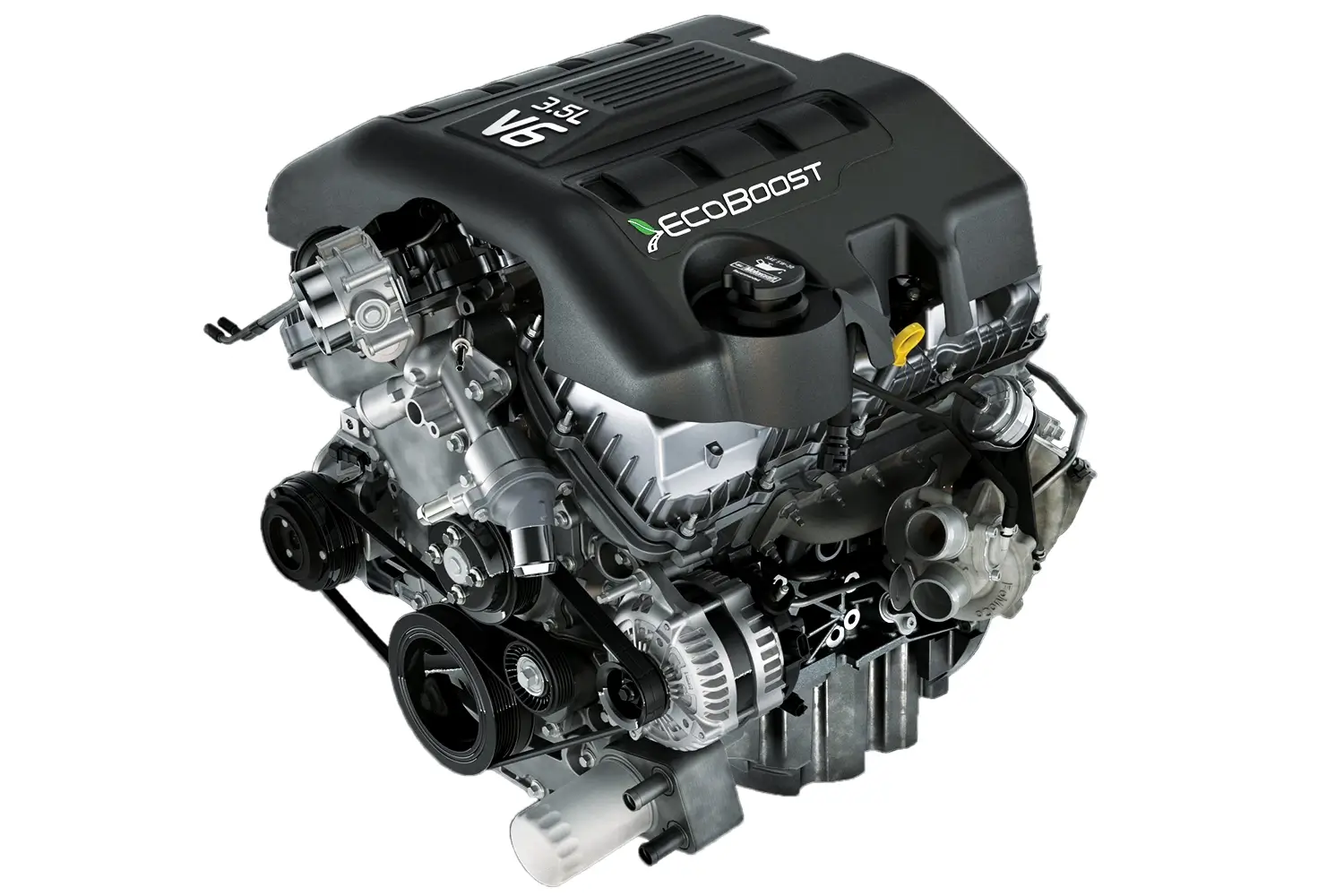
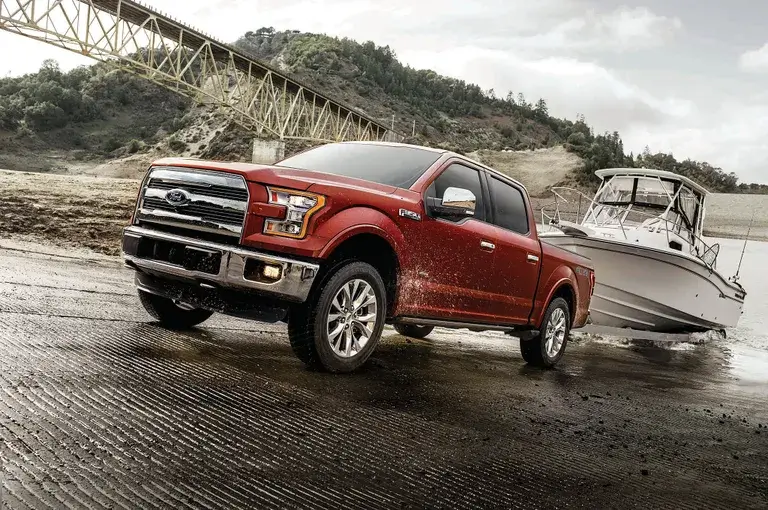
Killing the "Replacement for Displacement" myth. 660 horsepower (in the Ford GT).
Ford took a massive gamble putting a twin-turbo V6 in the F-150. It paid off. The EcoBoost offers V8 towing power with (theoretical) V6 fuel economy. The game changer. It convinced hardcore truck owners that a twin-turbo V6 could out-tow and outperform a big V8. It powers everything from police interceptors to the Le Mans-winning 2016 Ford GT.
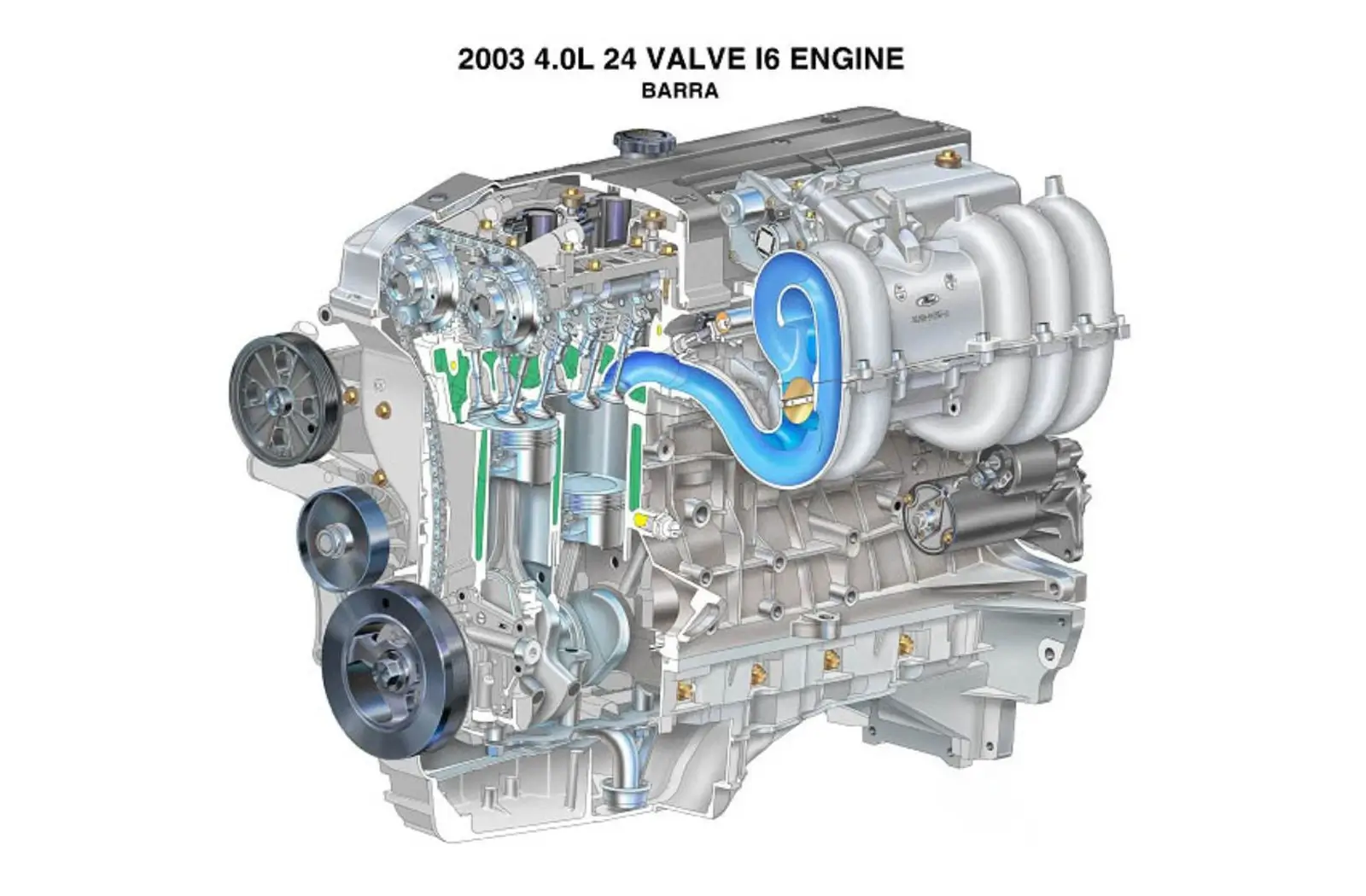
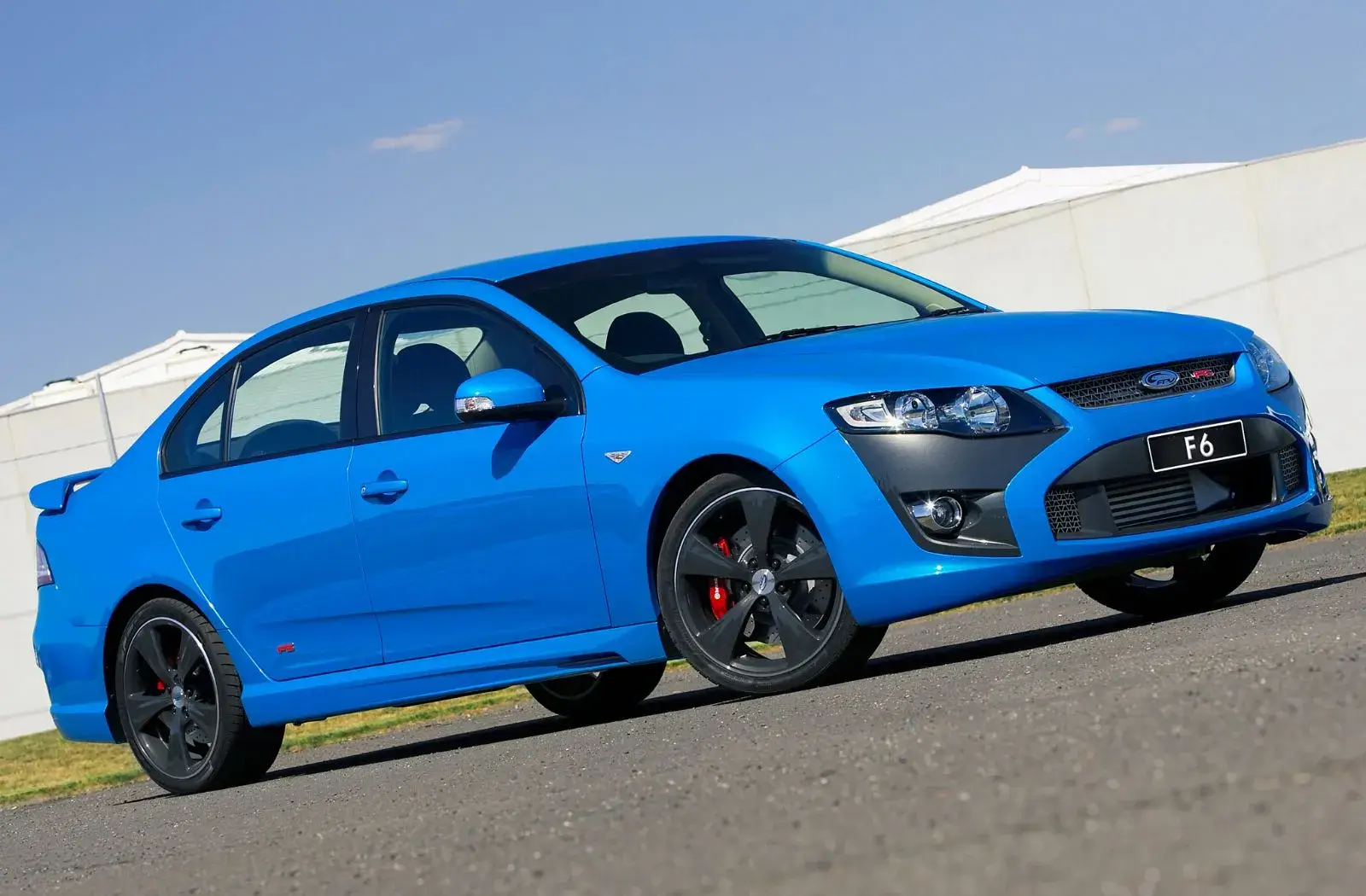
The "Australian 2JZ." Capable of 1,000+ HP on stock internals.
American readers might not know it, but in Australia, the "Barra" is God. A robust inline-six that tuners realized could handle insane amounts of turbo boost. It is widely considered one of the greatest inline-six engines ever designed by any manufacturer.
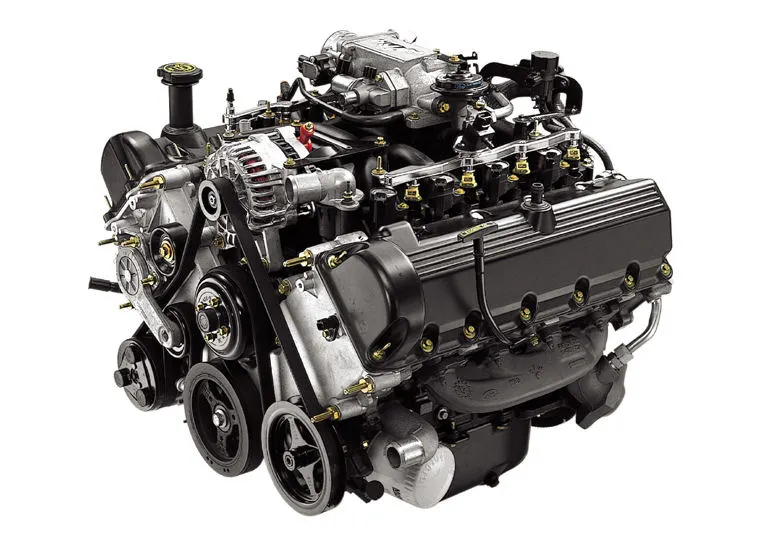
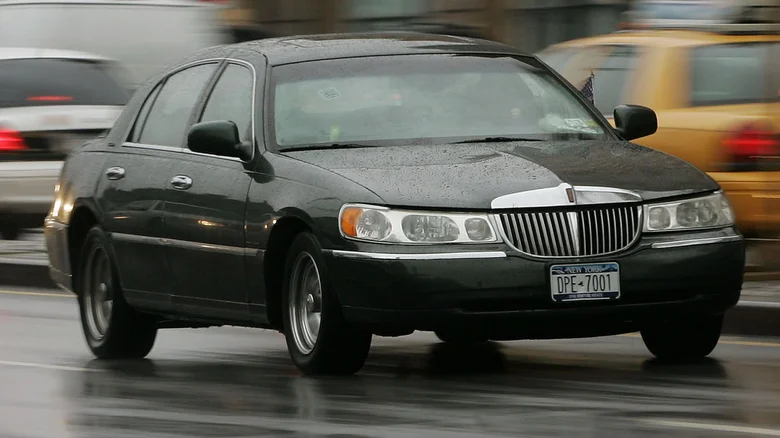
The backbone of the Crown Victoria. The engine behind almost every taxi and police car for 20 years.
It wasn't the most powerful, but the 2-valve 4.6L is reliable enough to run 24/7 for decades. It powered the Crown Vic, the Mustang GT, and the F-150, proving that Overhead Cam (OHC) engines could be durable in fleet use.
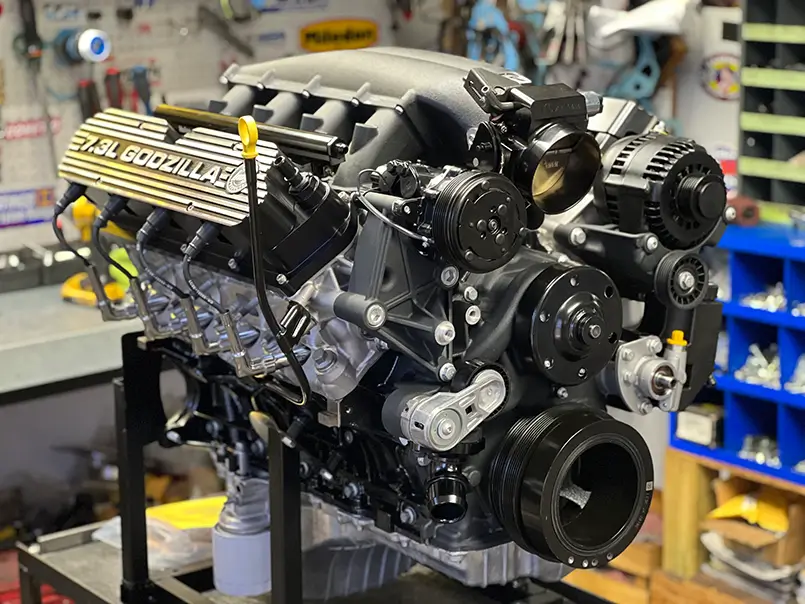
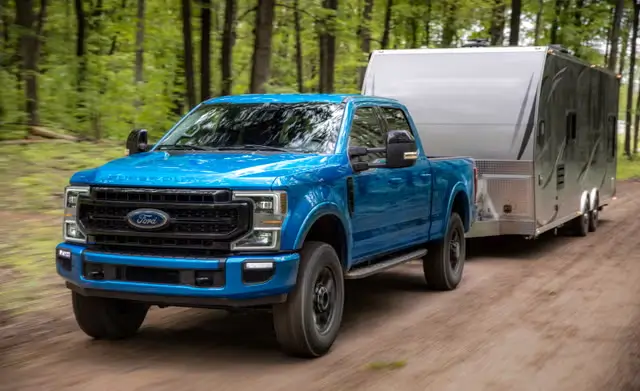
A massive pushrod V8 in a high-tech world. 430 HP / 475 lb-ft (Naturally Aspirated).
Just when we thought pushrod engines were dead, Ford released this monster for their Super Duty trucks. It eschews complexity for displacement. It has quickly become a favorite for engine swaps (the "Megazilla" crate engine) because it fits where the massive Coyote won't.
To understand the evolution of Ford power, look at the torque curve comparison below.
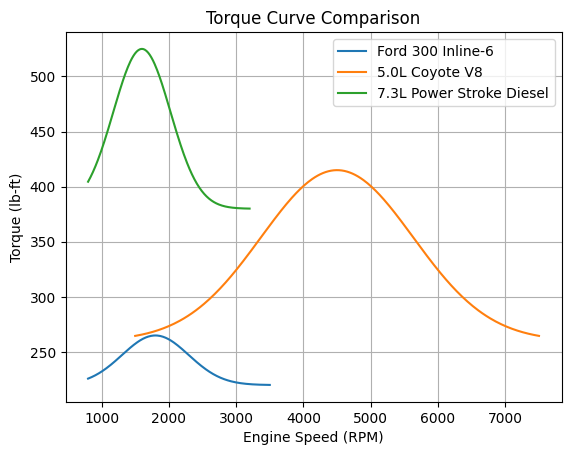
Torque Curve Comparison
This visual illustrates the difference between "work" power (Inline-6/Diesel) and "Race" power (Coyote).
It is important to note the engineering shift that happened in the 1990s.
Mechanic’s Tip: If you are planning an engine swap into a vintage car, the 7.3L Godzilla is often easier to fit than a 5.0L Coyote because the cylinder heads are much narrower!
While the Top 10 list focuses on overall impact and popularity, the following three Ford engines deserve special recognition for their unique contributions in torque, durability, and regional influence.
The 5.0L High Output (HO) engine played a critical role in reviving Ford performance during the emissions-restricted 1980s. Based on the Windsor small-block architecture, the 5.0 HO introduced improved cam profiles, roller lifters, and sequential electronic fuel injection in later years.
With strong mid-range torque, excellent durability, and massive aftermarket support, the 5.0 HO became synonymous with the Fox-body Mustang GT, helping re-establish Ford’s muscle car identity in the modern era.
The Boss 302 is one of Ford’s most iconic high-performance engines, originally developed to dominate Trans-Am racing. The classic 1969–1970 version featured high-flow cylinder heads, forged internals, and a free-revving character unmatched in its time.
Ford revived the Boss 302 name in 2012–2013, pairing a modernized high-rev 5.0 architecture with race-inspired tuning. Both generations share the same philosophy: naturally aspirated, high-RPM performance built for track dominance rather than raw displacement.
The 428 Cobra Jet represents the peak of Ford’s late-1960s muscle car era. Designed specifically to counter rival big-block dominance, the 428 CJ combined massive displacement with reinforced internals and improved airflow to deliver brutal straight-line performance.
Installed in legends like the Mustang, Torino, and Fairlane, the Cobra Jet quickly earned a reputation for drag strip dominance and remains one of the most collectible Ford engines ever produced.
A: Most mechanics and historians agree that the Ford 300 cubic inch (4.9L) Inline-6 is the most reliable. Its gear-driven timing and heavy iron construction allow it to run for decades with minimal care.
A: As of 2026, the 5.2L "Predator" V8 (found in the Mustang GT500 and Raptor R) is the most powerful production engine, producing over 760 horsepower from the factory.
A: For towing and high-altitude driving, the 3.5L EcoBoost is superior because the turbos compensate for thin air and provide instant torque. For longevity and simplicity, the V8 (Coyote or Godzilla) is generally preferred.
A: It isn't for the power (which is low by modern standards). It is loved for the sound, the simplicity, and the historical significance of being the engine that invented the American hot rod.


 Xiang Lee
 Mark Thompson


 Contact Us