The Ford EcoBoost 2.0T is undeniably the "star player" of the Ford powertrain lineup. From the rugged Everest and the sleek Mondeo (Fusion) to vehicles from Volvo and Lincoln (during the era when they shared this platform), this engine has powered a vast array of models.
In this deep dive, we will cover everything you need to know—from the engine’s history and core specifications to the critical "dos and don'ts" of daily maintenance. We will provide answers to the frequently asked questions from owners.
- "How should I strictly maintain my EcoBoost 2.0T?"
- "Will using the wrong spark plugs lead to catastrophic failure?"
- "Which engine oil is the absolute right choice?"
What defines EcoBoost 2.0T?
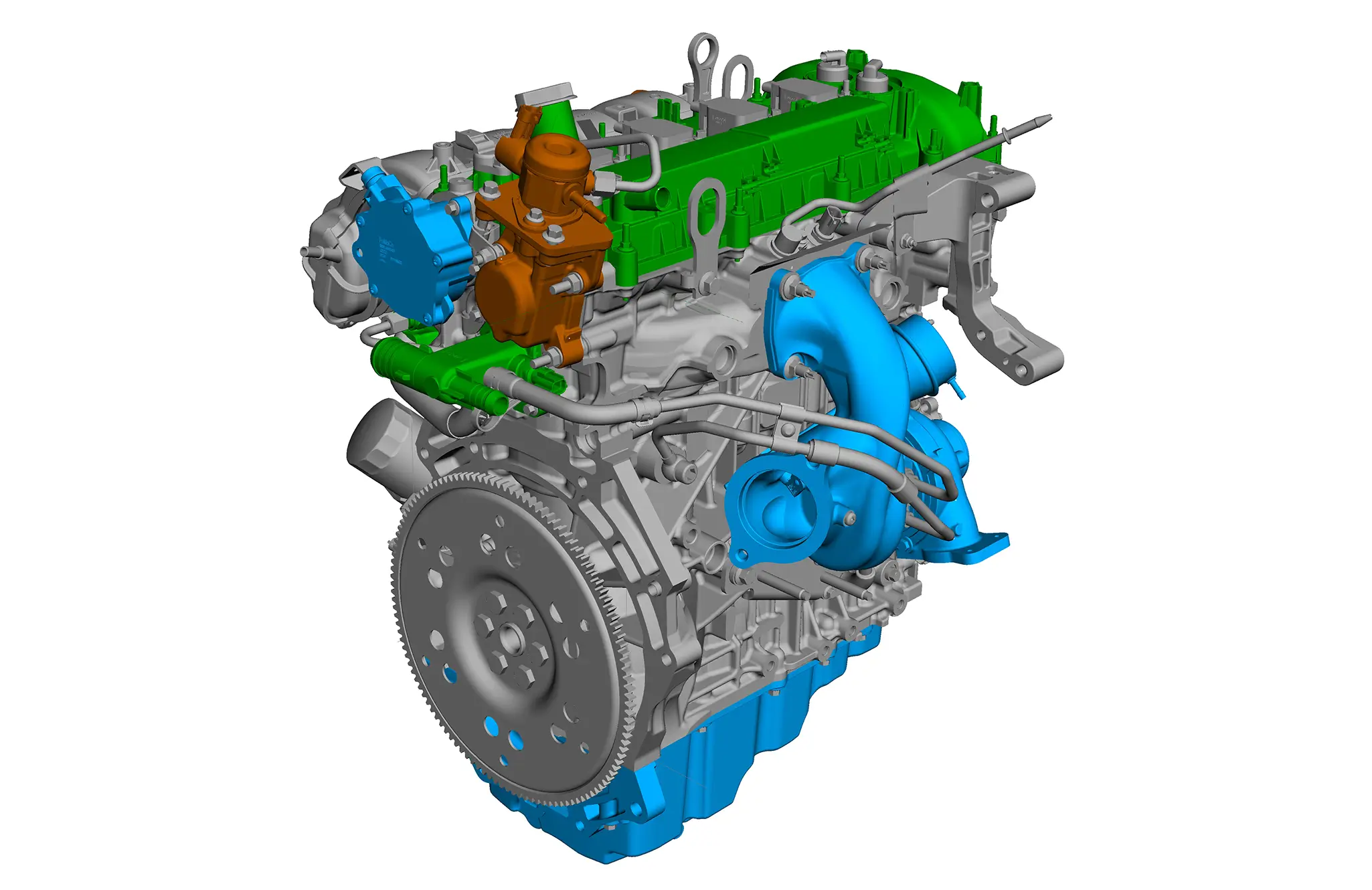
While the EcoBoost family is famous for various displacements (like the 1.0T, 1.5T, and the performance-orientated 2.3T), the 2.0T serves as the absolute backbone of the series.
It is not only a staple in Ford’s own fleet but also famously powered vehicles from Volvo, Lincoln, and Jaguar Land Rover during the period when these brands were under Ford ownership and used shared technology.
1. History: A North American Debut
- The Premiere: The engine made its first appearance in the 2008 Ford Explorer America concept, boasting an impressive rated power of 205 kW (approx. 275 hp) and 380 N·m of torque. By the 2011 North American International Auto Show, it was officially launched as a mass-production gasoline engine.
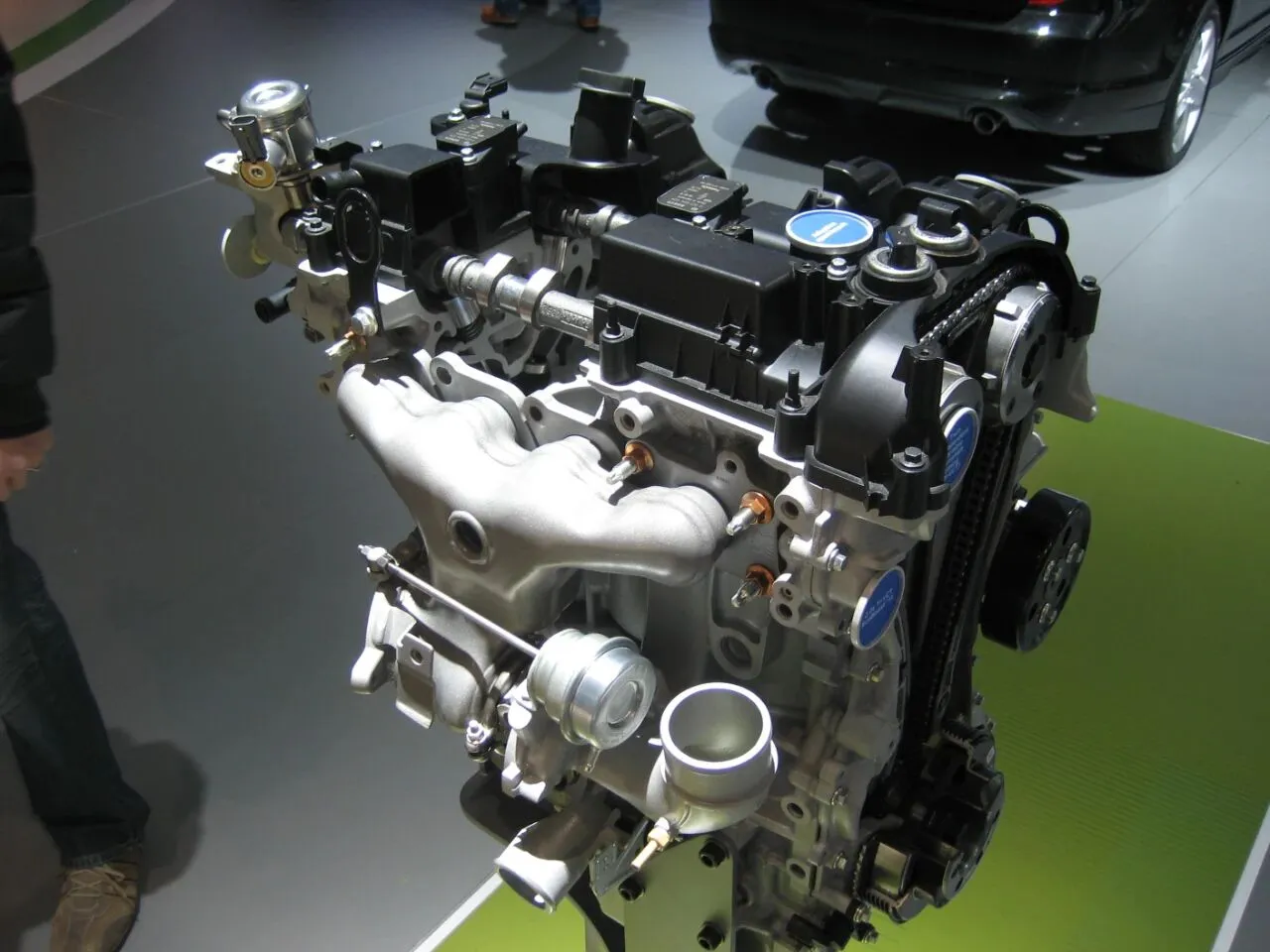
- Crucial Distinction: It is important to note that while the cylinder block is derived from the Mazda L-series engine, the cylinder head, direct injection system, and Ti-VCT technology are exclusive Ford designs.
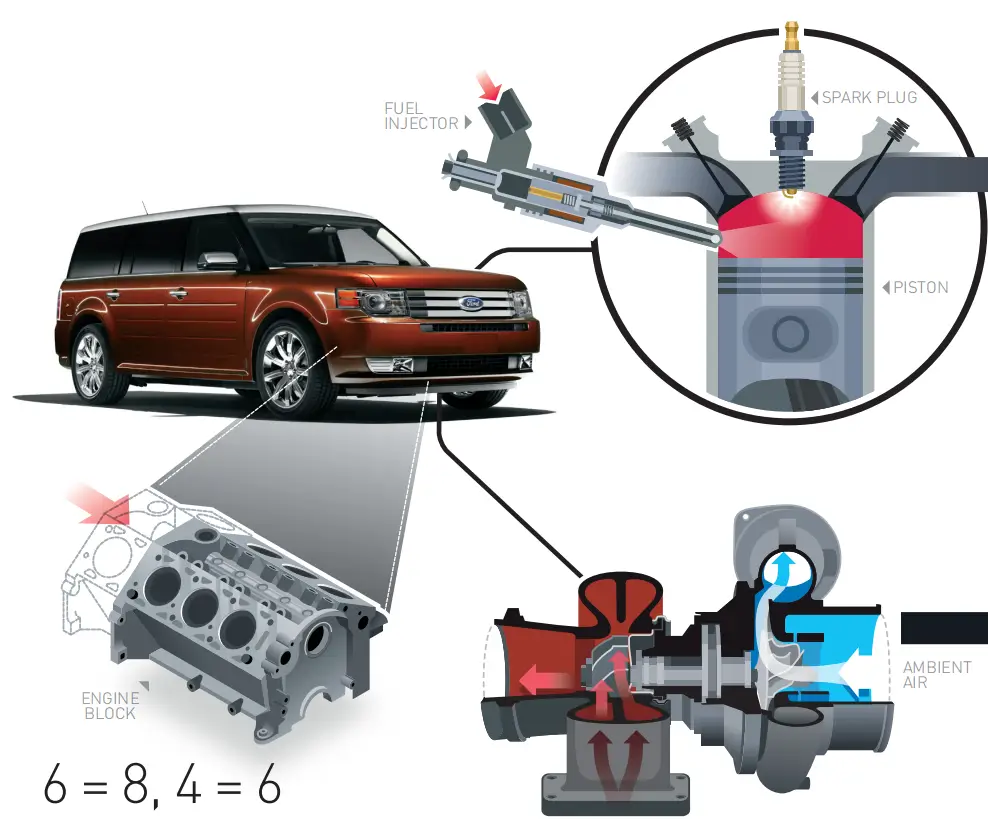
Although not explicitly listed, some 2.0 EcoBoost engines feature a different block design, which includes a weaker deck design and missing cooling ports. When installed in Volvos, these engines are called B4204T6 and T7.
It should also be noted that North American-spec and European-spec engines have different cylinder heads: North American market vehicles use a cylinder head with an integrated exhaust manifold, while European-spec vehicles use a cylinder head with individual exhaust ports and a conventional exhaust manifold.
- 203 PS (149 kW; 200 hp) at 5500 rpm, 221 lb⋅ft (300 N⋅m) at 1750-4500 rpm
- 243 PS (179 kW; 240 hp) at 5500 rpm, 270 lb⋅ft (366 N⋅m) at 1900–3500 rpm (Note: Torque figures are not uniform for all of the following vehicles)
- 255 PS (188 kW; 252 hp) at 5500 rpm, 270 lb⋅ft (366 N⋅m) at 2000–4500 rpm
- 290 PS (213 kW; 286 hp) at 5500 rpm, 310 lb⋅ft (420 N⋅m) at 1900–3500
- 305 PS (224 kW; 301 hp) at 5500 rpm, 270 lb⋅ft (366 N·m) at 2500 rpm, Ford-RPE (Radical Performance Engines)
Thanks to its immense versatility, this engine became a "universal soldier" in the industry. Early applications included:
- Ford Lineup: Everest, Mondeo (Fusion), S-Max, and Galaxy.
- Volvo Lineup: S60, V60, and V70 (Model Years 2015–2017).
- Other Brands: Select Lincoln models, the Jaguar XE, and the Land Rover Discovery Sport.
For the 2020 model year, the engine block was updated to use drilled cylinder coolant passages instead of a slit between the cylinders. This largely corrected remaining coolant intrusion issues for the engine. (wikipedia)
- Approx. 245 hp (183 kW; 248 PS), 275 lb⋅ft (373 N⋅m)
- 250 hp (186 kW; 253 PS), 280 lb⋅ft (380 N⋅m)
- 250 hp (186 kW; 253 PS) at 5500 rpm, 277 lb⋅ft (376 N⋅m) at 3000 rpm
Motorsport
Important Note: A Tale of Two Pumps
It is crucial to recognize that Volvo later implemented significant refinements to their version of the 2.0T engine. Most notably, they transitioned to an electronic water pump.
In contrast, Ford applications (such as the Everest) retained the traditional mechanical water pump. Because of this divergence, never assume compatibilityY—when performing maintenance, you must ensure you are sourcing the correct parts for your specific vehicle to avoid mixing up these distinct components.
Core Specifications: Understanding Your Engine's "Hard Power"
You don't need to memorize these numbers, but understanding them provides insight into your vehicle's true character. These specs explain why your acceleration feel and fuel consumption might differ from other vehicles on the road.
Technical Data: 2.0L EcoBoost (177kW / 240PS) - MI4
| Item | Specification |
| Displacement | 2.0 L |
| Number of Cylinders | 4 |
| Bore | 87.5 mm |
| Stroke | 83.1 mm |
| Firing Order | 1-3-4-2 |
| Compression Ratio | 9.7:1 |
| Spark Plug Type | 12405 |
| Spark Plug Gap | 0.75 mm |
| Engine Weight (Excluding accessory drive components & flywheel) | 130 kg |
Pro Tip: Decoding the Engine Label to Trace its "Lineage"
Every engine carries a specific label that reveals its production history. Learning to read this is particularly important when performing an engine swap or ordering specific components.
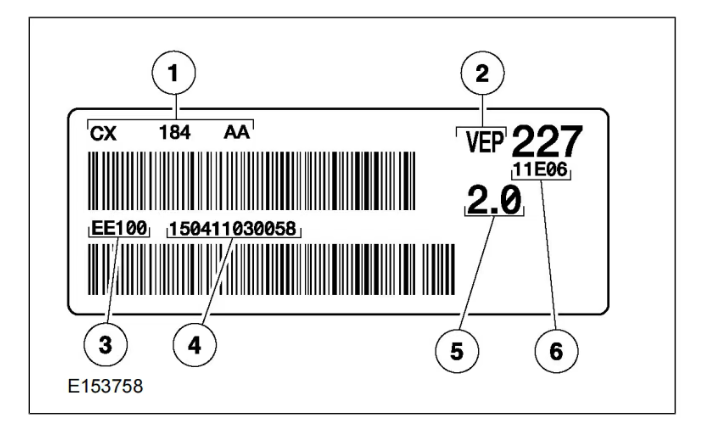
① Engine Part Number ② Valencia Engine Plant ③ Plant Code ④ Engine Serial Number ⑤ Engine Displacement ⑥ Engine Manufacturing Date: YYM (A–L) DD
How to Read the Engine Code Information Label
1. Part Number: (e.g., "CX 184 AA")
This code corresponds to the specific engine model configuration.
2. Manufacturing Plant:
"VEP" stands for the Valencia Engine Plant (indicating an overseas/imported unit).
3. Manufacturing Date:
- The code follows a specific format: Year (2 digits) + Month (Letter) + Day (2 digits).
- The Month Code: A = January, B = February, ... L = December.
- Example: A code reading "11E06" decodes to May 6, 2011 (11 = 2011, E = May, 06 = 6th).
Critical Components: Watch Out for These "Vulnerable Points"
Your engine shouldn't be a "black box". By understanding a few key components, you can spot potential trouble during routine inspections before they turn into major repairs.
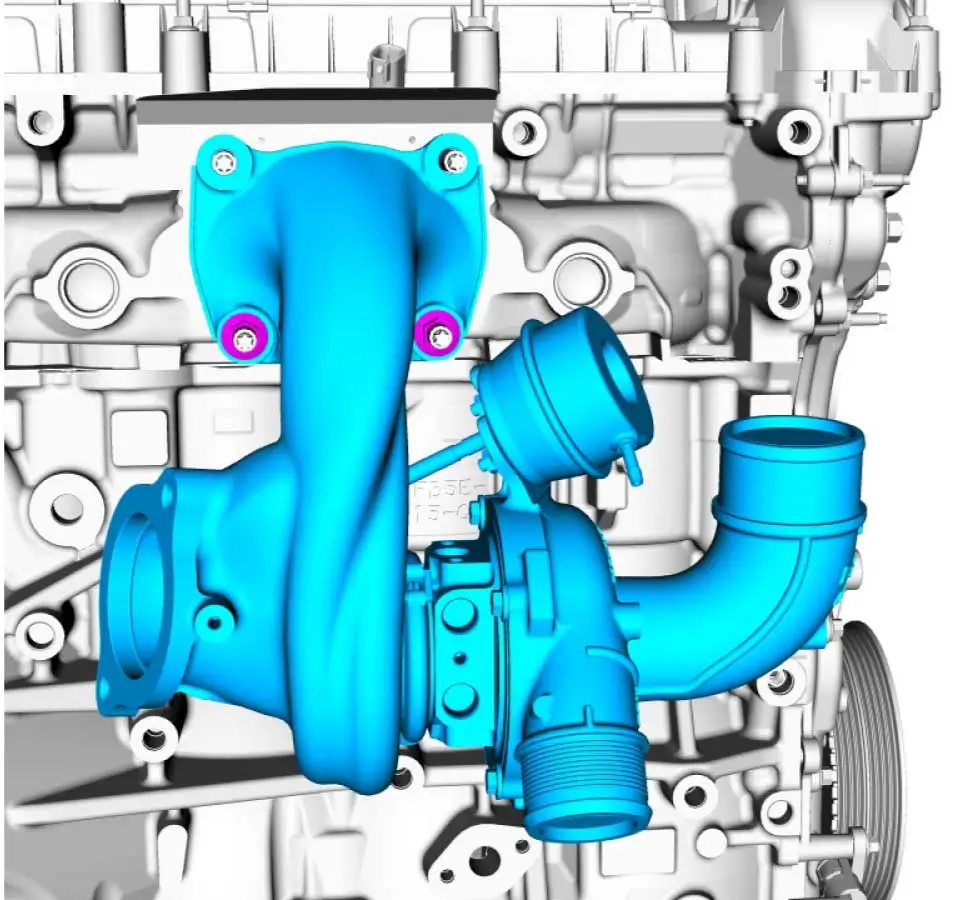
1. The Turbocharger: Heat Management is Key
This engine utilizes an exhaust gas-driven turbocharger (not a supercharger). Since it relies on high-temperature exhaust pressure to spin the turbine, thermal management is critical.
- The "Cool-Down" Rule: Do not shut the engine off immediately after a long highway run or spirited driving. Let the engine idle for 1–2 minutes to allow oil to circulate and cool the turbocharger down.
- Leak Inspection: Check the connection between the turbocharger and the intake pipe. If you see oil stains, the gasket is likely ageing and should be replaced promptly.
2. Crankshaft Seals: The Usual Suspects for Leaks
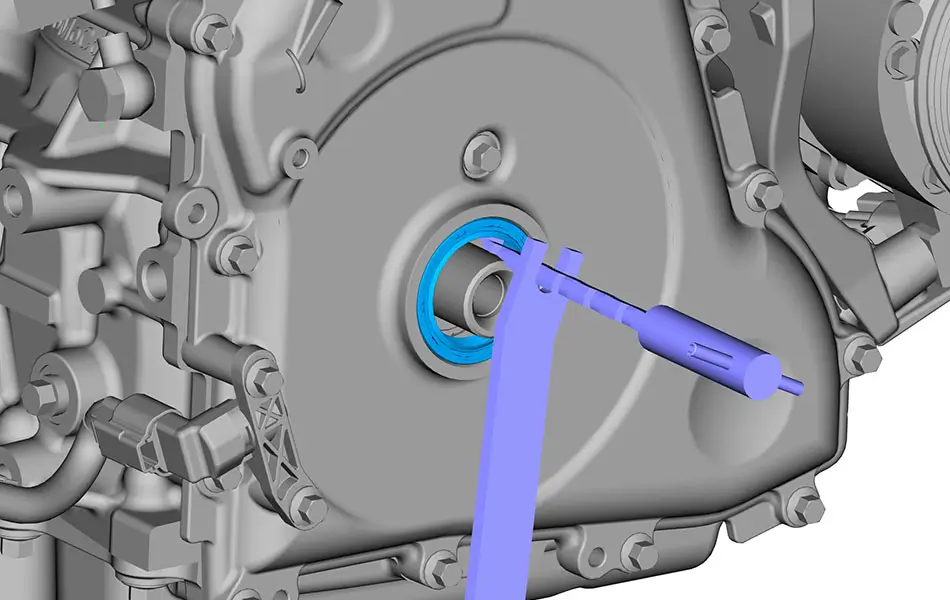
- Front Crankshaft Seal (Blue Component) and Rear Crankshaft Seal: These are high-risk areas for oil leaks, particularly in vehicles older than 3 years.
- Advice: Have your mechanic specifically inspect these seals during every oil change. Severe leaks here can lead to rapid, unexplained oil loss.
3. Engine Mounts: Rubber Parts Have an Expiration Date
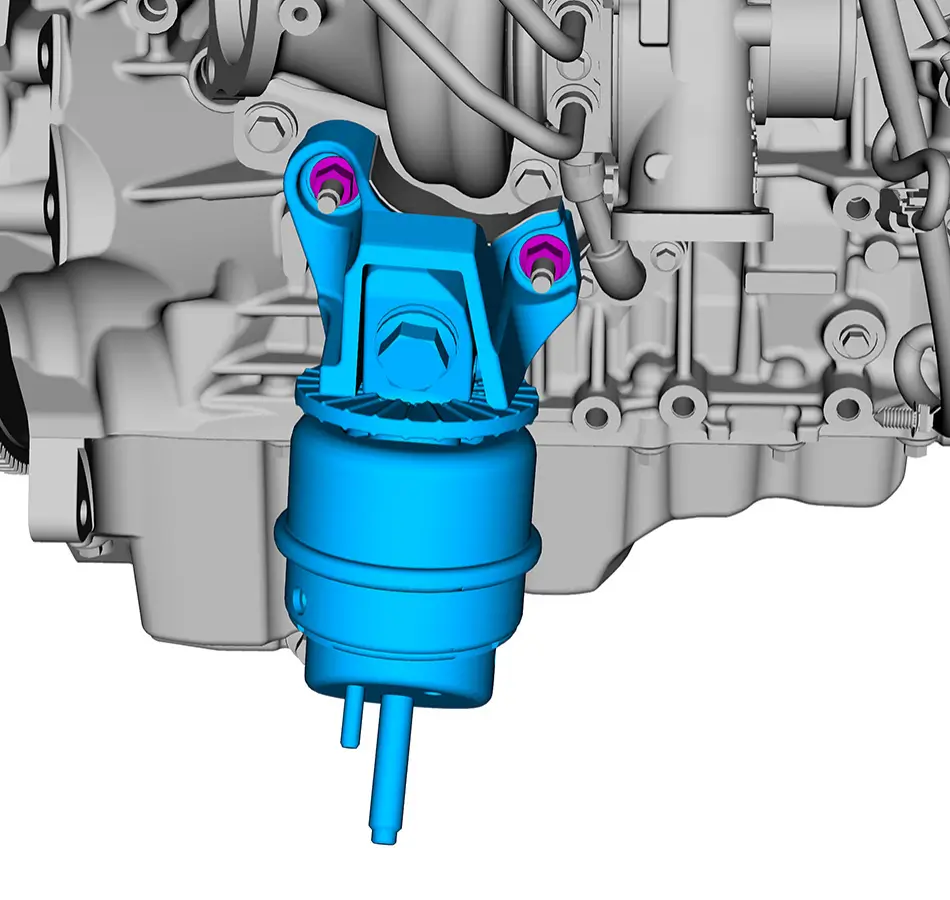
Engine mountings act as "shock absorbers," using rubber to isolate the chassis from engine vibration. Over time, this rubber inevitably ages and cracks.
- Symptoms: Increased body vibration while idling or a noticeable "tingling" sensation in the steering wheel.
- Replacement Interval: Inspect every 60,000–80,000 km. If you notice any cracks, please replace them promptly. Do not wait for the mount to fail completely, as the failure can cause the engine to shift out of position.
4. Valve Cover & Oil Pan: Mind the Gaskets
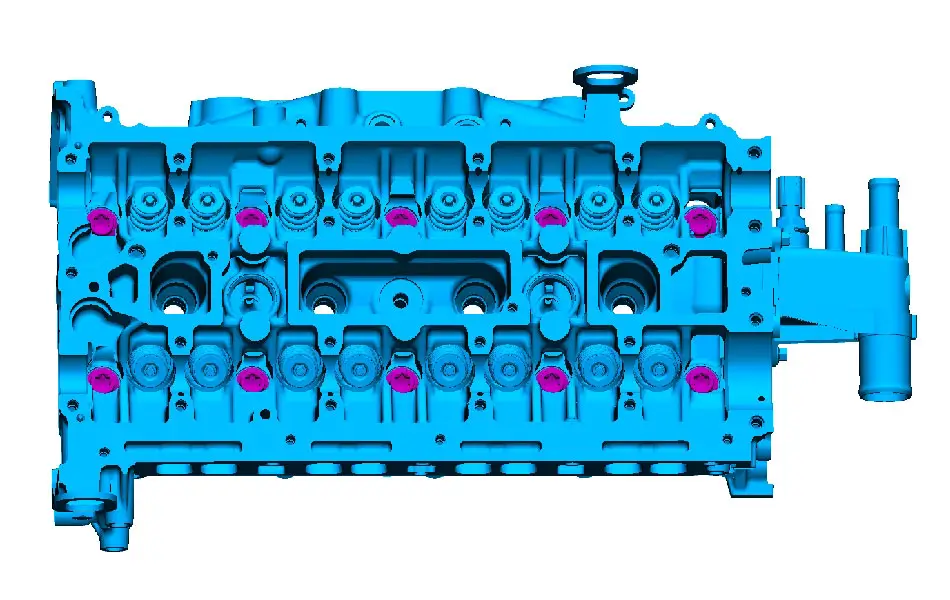
- Valve Cover: If you notice oil leaking onto the cylinder head, the valve cover gasket is likely ageing. Replacing this early prevents the mess from looking like a more serious "burning oil" internal issue.
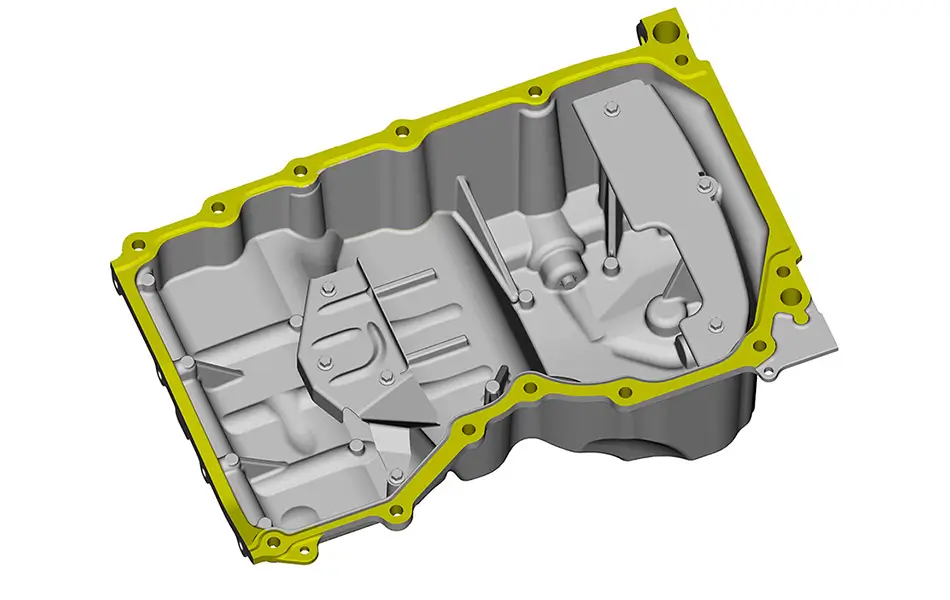
- Oil Pan: Precision is key here. The torque specification for the drain plug is 24 N·m. When changing the oil, ensure it is neither too loose (causing leaks) nor too tight (stripping the threads).
Maintenance Pitfalls: Five Common Mistakes Made by 90% of Owners
One wrong step in maintenance can lead to a massive repair bill. It is crucial to memorize these points to protect your engine.
1. Spark Plugs: Wrong Heat Range = Cylinder Scoring (Catastrophic Failure)
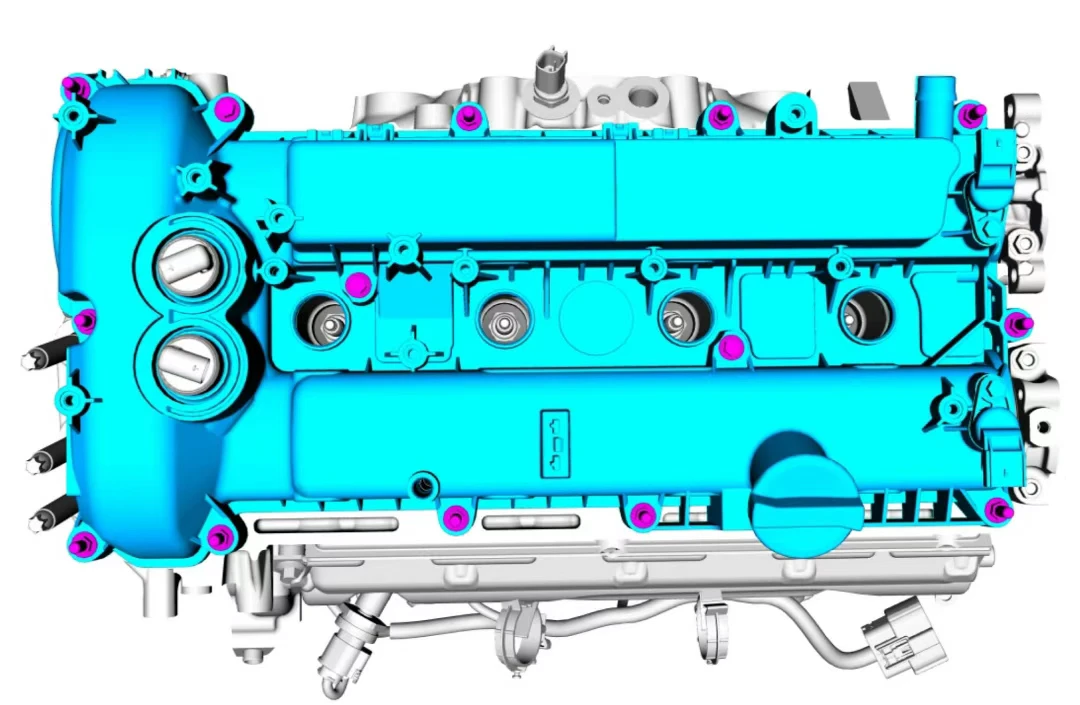
This is the single most common cause of avoidable engine failure.
A cautionary tale: An owner once installed spark plugs with the correct gap but the incorrect heat range. The result? The spark plug's ceramic insulator shattered due to thermal stress, fell into the combustion chamber, and scored the cylinder wall. The entire engine had to be replaced.
- OEM Specification: The original plugs are manufactured by NGK.
- Part Number:
LTR6AI-895734 (Common OEM code). - Recommended Upgrades: NGK
94374 or 96621.
- Critical Parameters:
- Gap: 0.75 – 0.8 mm (Do not attempt to manually widen or narrow this gap beyond spec).
- Heat Range: 6 (based on NGK standards).
- Warning: If switching brands, you must check the cross-reference table carefully. For example, an NGK Heat Range 6 is roughly equivalent to a Bosch Heat Range 8.
- Torque: 12 N·m. (Do not overtighten, or you risk stripping the threads in the cylinder head).
2. Engine Oil: Ford Certification is Non-Negotiable!
Please refrain from asking, "Can I just use any 5W-30 oil?" The viscosity grade alone is not enough. The only question that matters is, "Does this oil carry the specific Ford certification?"
Official Specifications
| Item | Specification |
|---|
| Engine Oil | Motorcraft® SAE 5W-30 Premium Synthetic Blend Motor Oil (USA); Motorcraft® SAE 5W-30 Super Premium Motor Oil (Canada); Motorcraft® XO-5W30-QSP (USA); Motorcraft® CXO-5W30-LSP12 (Canada); or equivalent |
| Standard | WSS-M2C946-A, SAE 5W-30 |
Engine Oil Capacity
| Item | Specification |
|---|
| Oil capacity includes replacing the oil filter | 5.2 L |
- The Certification Rule: You must use 5W-30 Full Synthetic oil that explicitly meets the Ford WSS-M2C946-A standard.
- Warning: Do not settle for oil that claims to be "compliant with" or "suitable for" this standard. Look for the official certification on the bottle to ensure you aren't buying inferior oil.
- The Volume Rule (5.2L): The engine requires 5.2 liters.
- Pro Tip: A standard 4.7-liter (5-quart) jug is not enough. You must buy one 4.7L jug plus an extra 1L bottle. If you only add 4.7L, the oil level will be insufficient, potentially causing engine damage.
- The Interval Rule:
- Full Synthetic: Change every 10,000 km or 1 year.
- Semi-Synthetic: Change every 5,000 km or 6 months.
3. Oil Filter: Specialized Tools + Torque Control
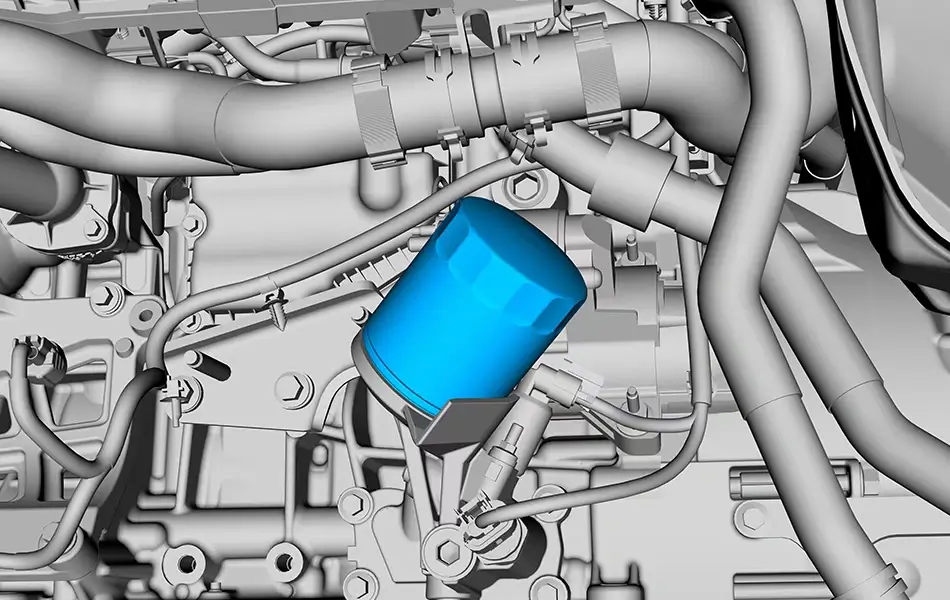
- Compatibility: The oil filter is interchangeable between the Ford 2.0T and 2.3T engines. Whether labelled for Changan Ford or JMC Ford, the cores are compatible. You can safely use Original Equipment (OEM) filters or reputable aftermarket brands like Mann-Filter.
- Removal Caution: You need a specialized wrench (typically corresponding to a ~17 mm size).
- Torque Spec: The tightening torque is 8 N·m.
- Warning: Do not force it or "muscle" it off. The aluminum oil filter housing is soft and the threads can easily be stripped if mishandled.
- Installation Tip: Before installing the new filter, always apply a thin layer of fresh engine oil to the rubber O-ring/gasket. This prevents the seal from bunching up and leaking.
4. The Dipstick: Lock It or Lose Your Oil!、
- The Critical Step: After checking your oil level, you must insert the dipstick all the way down and rotate it to lock it in place.
- Real-World Consequence: There have been cases (even involving dealership mechanics!) where the dipstick wasn't secured properly. The result? The internal crankcase pressure popped the dipstick out while driving, spraying oil all over the engine bay. The cost to clean the mess and refill the oil is an unnecessary expense you want to avoid.
5. Throttle Body: Don't Over-Clean, Don't Neglect
- Cleaning Interval:
- City/Heavy Traffic: Clean every 20,000 – 30,000 km.
- Highway Driving: Clean every 40,000 – 50,000 km.
- The Right Way:
- Remove to Clean: It is far better to physically remove the throttle body and clean it manually than to use the "hanging bottle" (induction cleaning) method.
- Re-learning: After cleaning, you must ask your mechanic to perform a "Throttle Body Adaptation/Matching" (reset). If you skip this, your idle may become unstable or high.
Summary
The Ford EcoBoost 2.0T is a fundamentally durable and robust engine. With proper care, it can easily exceed 200,000 kilometers without major mechanical issues.
The core philosophy for ownership is simple:
- Don't be cheap: Avoid low-quality, counterfeit parts.
- Stick to the specs: Follow the OEM parameters (especially for spark plugs and oil) strictly.
- Be proactive: Regularly check the wear items (seals, mounts, and turbo connections) mentioned above.


 Xiang Lee
 Mark Thompson


 Contact Us